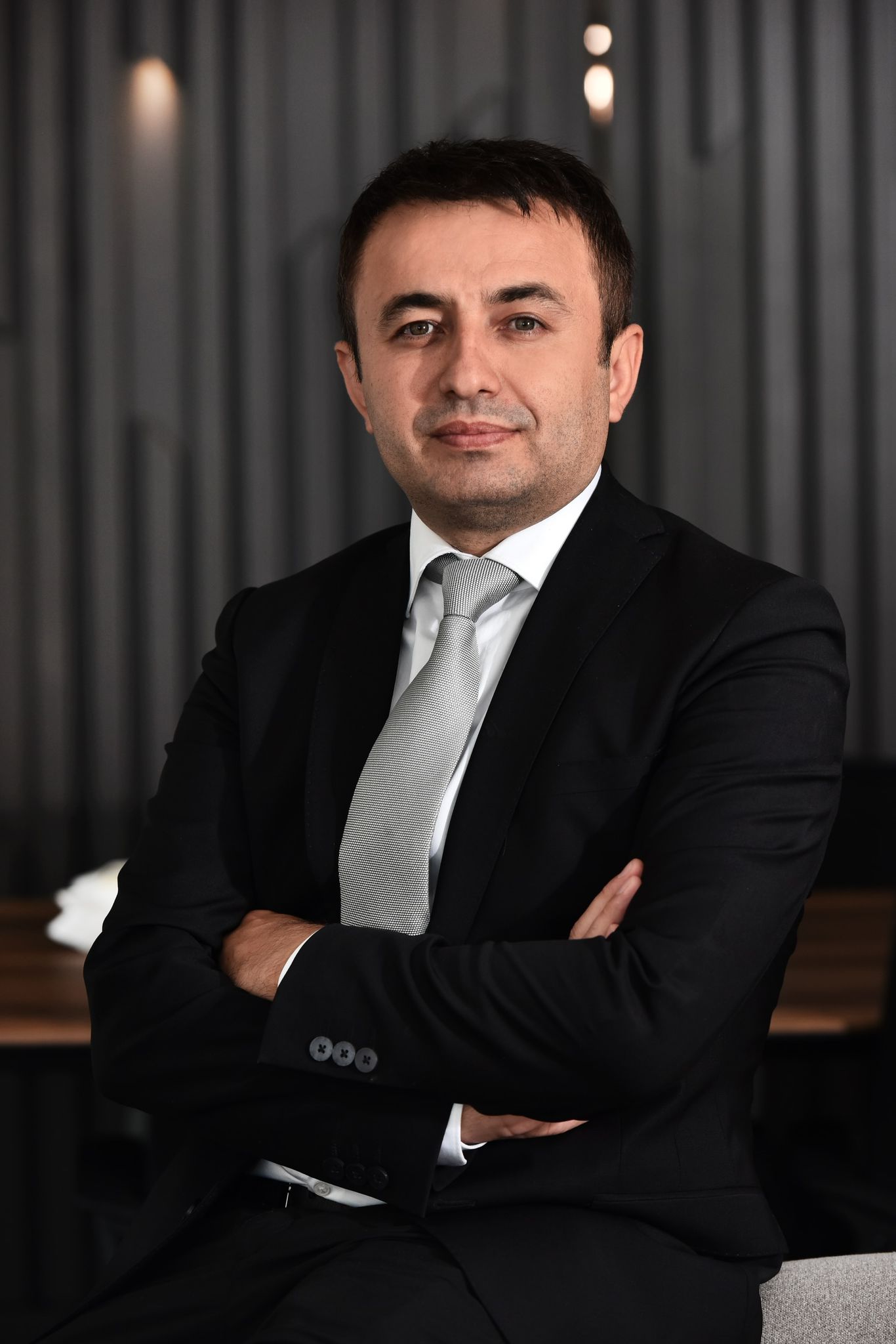
Professor Adil Mardinoglu
Principal Investigator
Professor Adil Mardinoglu is an expert in the field of Systems Medicine, Systems Biology, Computational Biology and Bioinformatics. He has been recruited as a Professor of Systems Biology in Center for Host-Microbiome Interactions, King’s College London, UK where he leads a computational group. He also works as group leader in Science for Life Laboratory (Scilifelab), KTH-Royal Institute of Technology in Sweden and led a team of 25 researchers working in the area of computational biology, experimental biology and drug development to develop new treatment strategies for Metabolic diseases, Neurodegenerative diseases and certain type of cancers.
Professor Mardinoglu received his Bachelor’s degree from Istanbul Technical University, Turkey in Electronic and Telecommunication Engineering and his Ph.D. from Waterford Institute of Technology, Ireland in magnetic drug targeting applications. He worked as a postdoctoral researcher at Trinity College Dublin, Ireland and Chalmers University of Technology, Gothenburg, Sweden. His recent research activities include the generation of the context specific genome-scale metabolic models (GEMs) for human cell-types including liver, adipose, muscle, heart, kidney and brain as well as certain types of cancer e.g liver, kidney, colon, prostate and brain (glioblastoma) cancers. His research team also focuses on the integration of GEMs with the other biological networks including regulatory, protein-protein interactions and signaling networks. He employs comprehensive biological networks for revealing the molecular mechanisms of complex diseases, identification of novel biomarkers and drug targets and eventually development of efficient treatment strategies.
Professor Mardinoglu has contributed to the creation of human tissue , subcellular and pathology atlas within the Swedish Human Protein Atlas program and cell atlas within the international Human Cell Atlas program. He has published around 100 research and review papers in different journals including Science, Cell Metabolism, Nature Communications, PNAS, Cell Reports, Molecular Systems Biology and EbioMedicine. He is also co-founder of three different biotech companies focusing on the development of novel drugs for fatty liver disease and different cancer types.